As women, we tend to adapt easily and naturally to the changes our bodies go through. During our reproductive years, we become accustomed to hormonal fluctuations in our menstrual cycle week to week.
But does it mean when your cycle stops being normal? is there an underlining health issue or are you experiencing the symptoms of perimenopause?
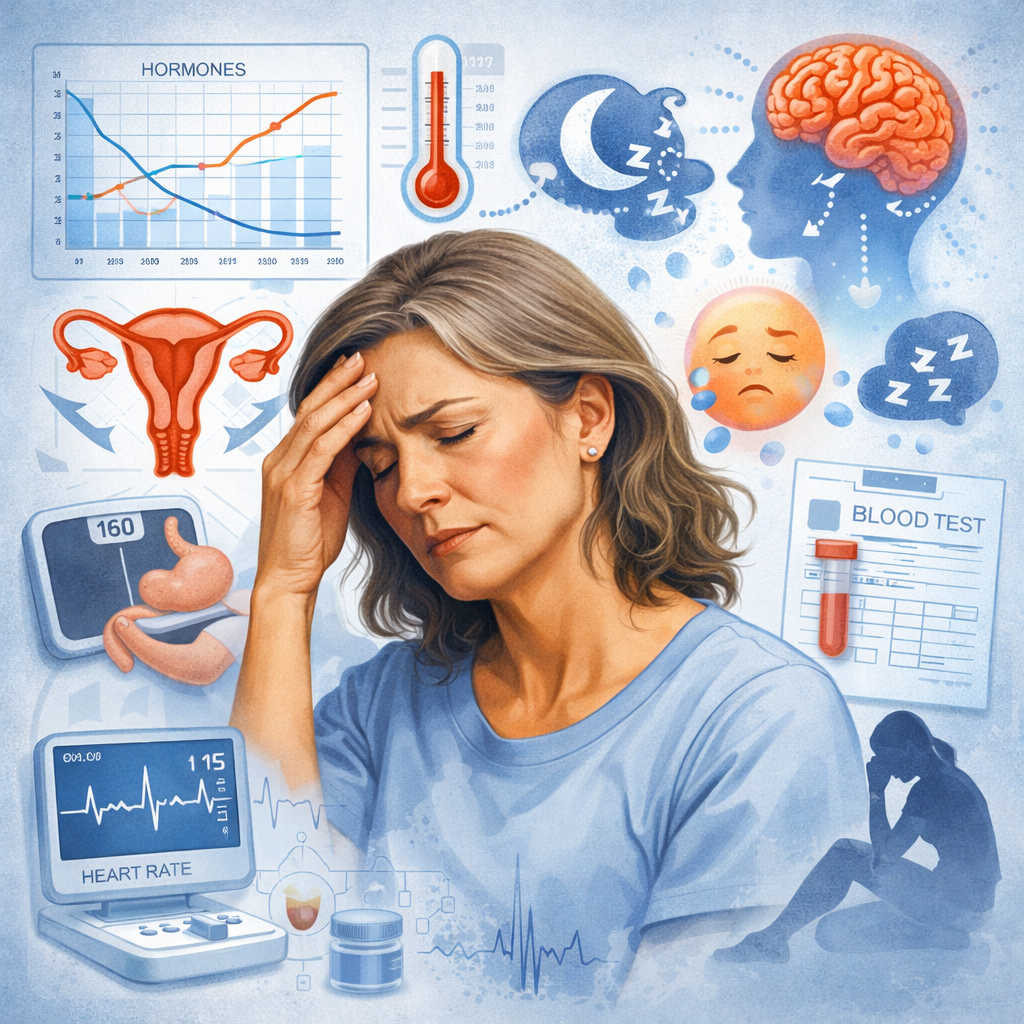
As we approached the end of our reproductive years, usually referred to as the perimenopausal phase, we begin to notice new changes in our body, and these perimenopausal symptoms may worsen or become more frequent as we get closer to actual menopause.
But it’s nothing to be alarmed about, your body is now getting ready for the next chapter in your life. This is why it is necessary for women to be aware of perimenopausal symptoms so they know what to expect when they reach this milestone in their life.
It’s only over the last few years that perimenopause symptoms have been studied and the effect it has on women’s health. For many women, they start experiencing symptoms even when they are still years away from actual menopause.
So what is Perimenopause? well simply put it is when your body begins preparing for menopause by making less estrogen (a hormone produced by your ovaries). When this happens, women may start to experience physical changes such as hot flashes or mood swings, all common signs that a woman’s body is adjusting to the hormone imbalance that is occurring within her body.
3 Stages of Menopause
As we know menopause marks the end of a woman’s reproductive years, usually occurring between ages 45 and 55. However, it can occur as early as 35 and averages around 51 years old for most women.
As women approach their 40s and start to become perimenopausal, they will start noticing changes in their menstrual cycle and how they feel overall. This is perfectly normal, the female body is just getting ready for menopause and adjusting to a new hormone imbalance. During this time, women may experience symptoms like hot flashes, night sweats, and vaginal dryness.
Related: Why is Self-Image Important? 11 Ways to Feel Better About Who You Are.
This doesn’t happen overnight. There are 3 stages women will experience as she exits her reproductive years.
Three stages of Menopause
Perimenopause: This is the stage leading up to menopause and can last for several years. During perimenopause, a woman’s hormone levels, particularly estrogen, and progesterone, begin to fluctuate. This hormonal transition can result in various symptoms such as irregular menstrual cycles, hot flashes, night sweats, mood swings, and changes in libido.
Menopause: Menopause is defined as the point when a woman has not had a menstrual period for 12 consecutive months. It is a milestone that marks the end of a woman’s reproductive cycle. In menopause, the ovaries stop releasing eggs, and estrogen and progesterone production declines significantly.
Postmenopause: Postmenopause begins after a woman has reached menopause. These are the years following menopause for the remainder of her woman’s life.
Every woman’s experience with menopause is different. Some women may have symptoms that are mild, while others may be severely affected by them. It’s smart to consult a doctor or other health professional if you have questions, concerns, or difficulties related to menopause.
17Symptoms Of Perimenopause
Perimenopause, the transitional phase leading up to menopause, is a natural and inevitable stage in a woman’s life. During this time, hormonal changes occur as the ovaries gradually produce less estrogen, marking the end of reproductive years. This hormonal imbalance can be responsible for a variety of symptoms that a woman may experience, both in intensity and duration.
Understanding perimenopausal symptoms is crucial as it helps women recognize and navigate their perimenopausal journey.
While not all women will experience every symptom, being aware of the potential changes can provide insight into why you feel the way you do and to seek out advice from a medical expert if needed.
What is perimenopause symptoms? 20 symptoms you may experience
1.
Irregular periods:
During perimenopause, hormonal fluctuations can cause irregular periods, including shorter or longer cycles, heavier or lighter bleeding, and skipped periods.
These changes in the menstrual cycle during perimenopause are due to fluctuations in estrogen and progesterone levels, which can affect ovulation and the thickness of the uterine lining. As a result, women may experience unpredictable bleeding patterns.
2.
Hot Flashes
Hot flashes are sudden feelings of being overheated and a random onset feeling of flushing or sweating. This can occur at any time during the day or night
These hot flashes are caused by hormonal fluctuations, specifically a decline in estrogen levels, which can impact the hypothalamus, the part of the brain that regulates body temperature.
Related: 9 Remedies for Hot Flashes
3.
Mood Swings
Hormonal fluctuations can trigger emotional changes like mood swings, irritability, anxiety, or feelings of sadness.
These symptoms are usually mild, but they can be severe enough to interfere with your ability to function day to day. If you’re experiencing major emotional changes, talk to your doctor about treatment options
4.
Sleep disturbances
This is common during perimenopause. during this time it’s normal for a woman to have difficulty falling asleep, staying asleep, or waking up too early in the morning. Unfortunately, this can lead to feeling fatigued and drowsy throughout the day.
5.
Vaginal Dryness
Due to the decline in estrogen levels, some women experience vaginal dryness that can cause discomfort or pain during sexual intercourse.
6.
Sexual Desire
Women may experience changes in their sexual desire during perimenopause. The reasons for this change are not fully understood, but it is believed to be caused by fluctuating levels of estrogen and progesterone. This can result in a lack of interest in sex, reduced sensitivity during sexual intercourse and even pain during intercourse.
7.
Breast tenderness:
Hormonal fluctuations can cause breast tenderness, similar to the symptoms experienced during menstruation. For more on how to treat sore breasts, check out this article for the 9 Remedies For Breast Pain
8.
Bladder Issues
Perimenopause can lead to urinary symptoms such as increased frequency, urgency, or urinary incontinence.
These symptoms may be caused by a hormone imbalance that can lead to an increase/decrease in fluid production, contributing to the frequency or urgency of having to pee.
9.
changes in skin and hair:
Hormonal changes may affect the skin, leading to dryness, acne, or changes in skin elasticity. Hair may become drier or thinner.
10.
Changes in body composition:
During menopause, women may experience changes in body shape due to hormonal changes. One common change is an increase in belly fat, which is related to a decrease in estrogen levels. This shift in fat distribution can increase the risk of health problems such as heart disease, diabetes, and stroke
11.
Memory problems
Some women may notice a decline in their mental abilities during perimenopause. They may have difficulty concentrating or trouble remembering things
Related 10 Reasons Why You Need A Daily Routine For Your Mental Health
12.
Muscle and joint pain
Muscle and joint pain during menopause can be caused by a variety of factors, including hormonal changes, weight gain, and decreased physical activity.
13.
Digestive issues
Hormones play a crucial role in regulating various bodily functions, including digestion. During perimenopause, estrogen levels decrease, causing women to experience digestive symptoms such as bloating, indigestion and constipation.
14.
Headaches
Hormones play a crucial role in regulating blood vessels in the brain, this is why hormonal changes can trigger headaches. Additionally, sleep patterns, stress, and other menopause-related symptoms such as hot flashes and anxiety can also contribute to headaches during this time.
15.
Changes in cholesterol levels
During menopause, women may experience an increase in total cholesterol levels, as well as in low-density lipoprotein (LDL) cholesterol, commonly known as “bad” cholesterol. Estrogen plays a crucial role in regulating cholesterol levels, so when it declines during menopause, cholesterol can also increase.
16.
Anxiety and depression
Sudden symptoms of depression, anxiety, irritability, and mood swings are all symptoms of perimenopause. These intense emotions can be attributed to hormonal fluctuations, specifically a decline in estrogen levels, which can impact neurotransmitters in the brain that regulate mood and feeligs.
17.
Allergies
The decline in estrogen levels during menopause can lead to changes in the immune system, including reduced production of antibodies and increased production of inflammatory cytokines. These changes can make women more susceptible to developing allergies and experiencing more severe allergic reactions.
Its important to remember that these symptoms are normal changes that occur during this time in a woman’s life, and they may happen gradually or suddenly.
The good news is that the symptoms of perimenopause tend to be mild. So if you’re experiencing any symptoms, remember that they are temporary and normal for this time in your life.
Howeever, If your perimenopausal symptoms start interfering with everyday life, talk with your doctor about how best to manage them or rule out any other conditions that may be causing them.
Related: 7 Practices That Will Lead To Inner Peace And Happiness
Related: 5 Reason To Stop Feeling Guilty For Putting Yourself First